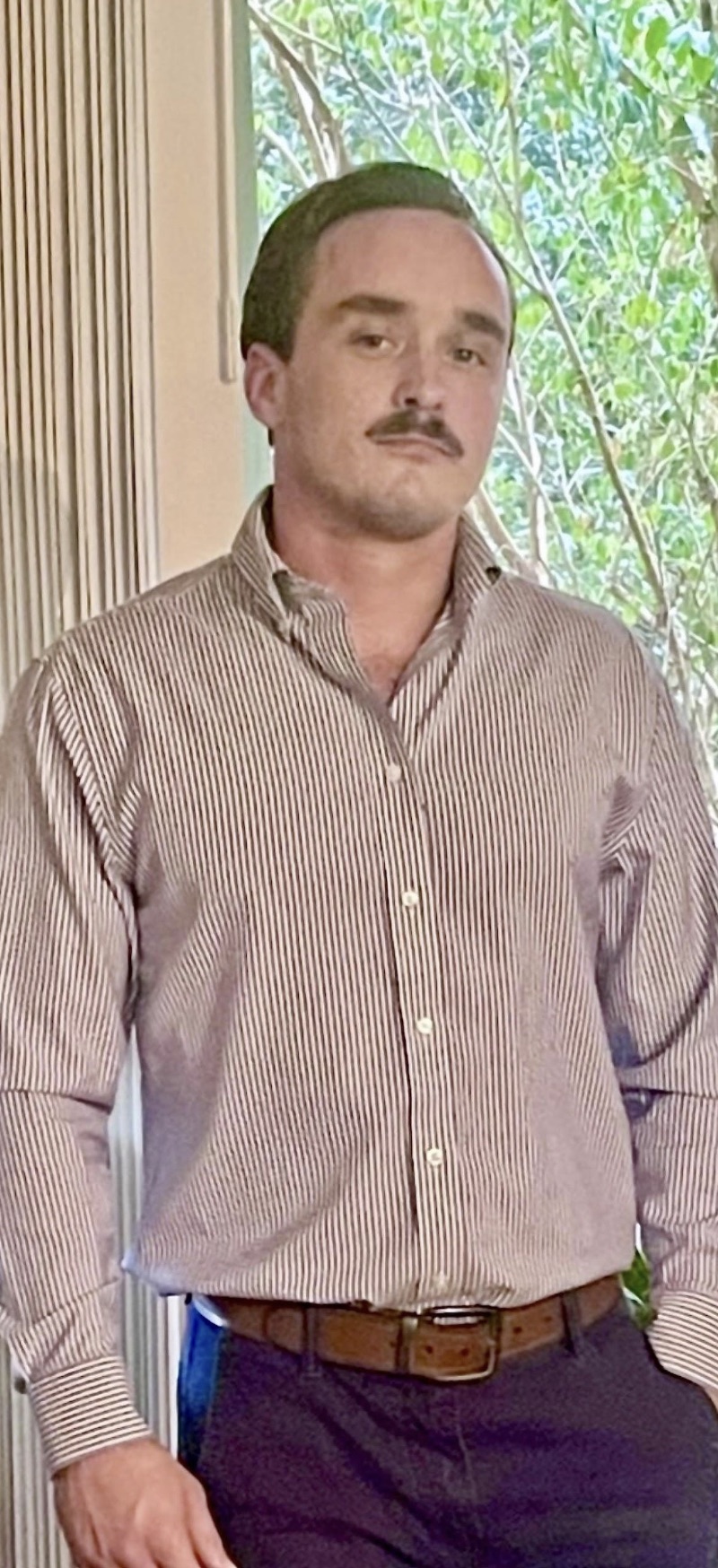
M. Chase Lawson
PhD Student · Marine Toxicology Laboratory
Texas A&M University at Galveston
Assessing persistent organic pollutant dynamics across biotic and abiotic matrices, and investigating organismal effects at molecular and physiological levels.
My Research
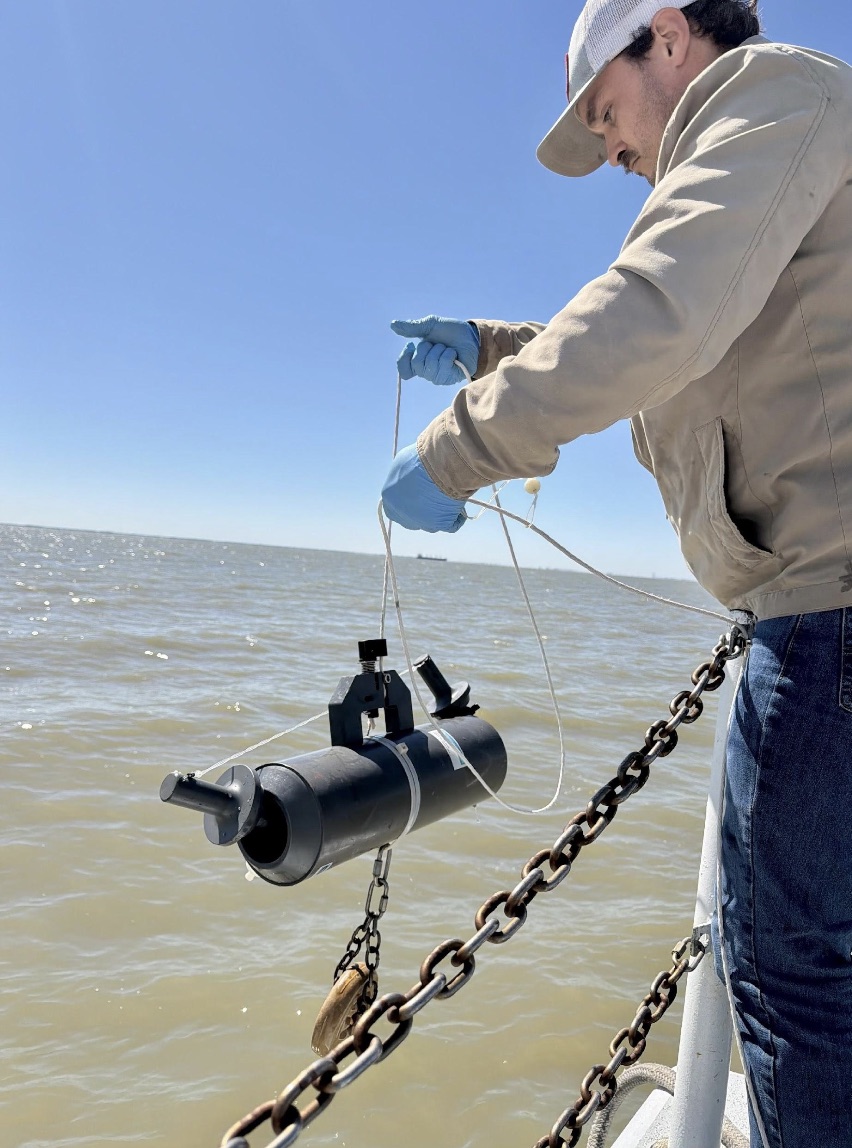
My research examines the dynamics of persistent organic pollutants (POPs) across biotic and abiotic matrices, with a focus on polycyclic aromatic compounds (PACs) and polychlorinated biphenyls (PCBs). Using GC-MS, I plan to measure pollutant concentrations in a range of environmental samples such as ground water, surface water, sediments, and organisms to better understand how POPs move through and persist in the marine environment.
I am also interested in the molecular and physiological effects of POP exposure on marine organisms. Through enzyme assays, respirometry, biomarker identification, and lipid analyses, I aim to characterize responses across scales, from molecular signaling to whole-organism physiology. This will help us to better understand organism fitness and stress response.
Ultimately, the goal of my work will be to compare shallow-water organisms to deep-sea counterparts, and uncover how specific adaptations to the deep-sea environment may shape organismal response to pollutants. Do adaptations to the deep-sea allow for a greater tolerance to these perturbants, or instead induce vulnerability?
Education & Background
I completed a B.S. in Marine Biology with minors in oceanography and chemistry at Texas A&M University at Galveston, graduating cum laude in 2019. My undergraduate research was split between Dr. David Hala's Marine Toxicology Laboratory and Dr. Gilbert Rowe's Benthic Ecology and Deep-Sea Biology Laboratory, where I worked on pollutant dynamics and deep-sea fauna. This work culminated in my undergraduate thesis on PAHs and PCBs in epibenthic megafauna from the Gulf of Mexico. I also did some side projects on population genetics in mesopelagic fishes, and numerous other side projects.
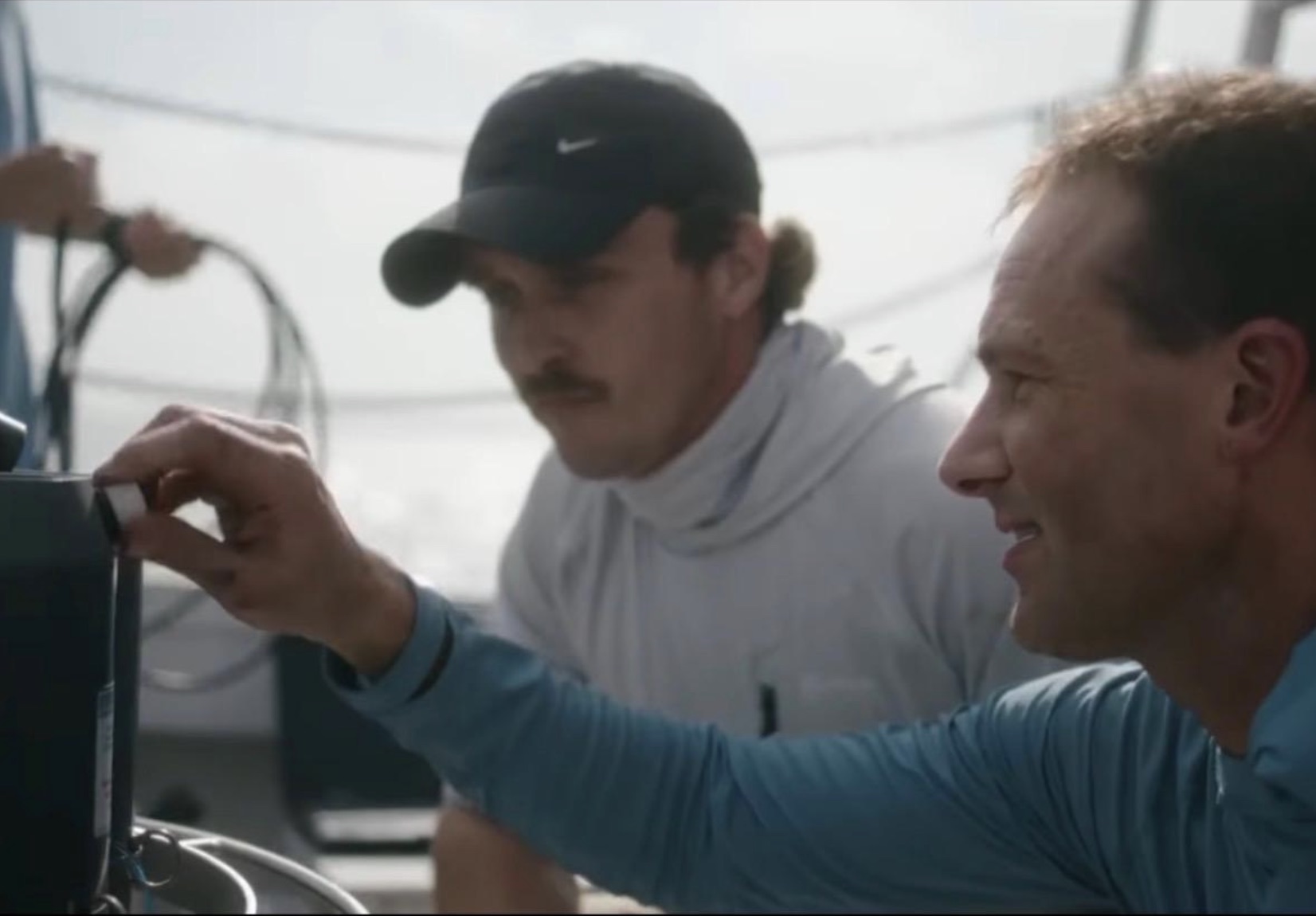
After graduating, I worked in the Hala lab refining extraction and analytical methods for various pollutants in marine biota. Following that, I worked as an endangered species observer on commercial dredges for nearly five years, which gave me a novel perspective on marine environments and existing management practices.
I came into marine through a love of the natural world: an early fascination with paleontology, summers spent on the ocean as a kid on South Padre Island, a dad that taught biology all pointed me towards science. That curiosity about how life works, especially in the ocean, is what still drives me.
Outside the Lab
One of my favorite pastimes outside of research is cooking. I love to cook meals from scratch, and I especially like keeping things authentic. Mexican, Cajun, and Italian cuisines are some of my favorites to make. To me, cooking almost feels like a creative process, and I find it cathartic. I also enjoy fermentation, making things like kombucha, sauerkraut, kimchi, and even mead and cider.
I also do pyrography (wood-burning) art when I have the time. It is a good way of slowing down, and is meditative to me in a way. I enjoy going to the beach whenever I can, or just trying to be outdoors in any way: camping, fishing, hiking. Even considering all the jokes about the quality of Galveston's water, it's home to me, and spending time around the water feels essential.
I am an avid Houston Astros fan, which admittedly, hasn't been fun recently. I try to stay active at the gym and make it a priority in my routine. I genuinely value time with friends; it's easy to get tunnel vision with research, so those interactions end up mattering more than one might think.
Selected Publications
-
2021
Lawson, M. C., Cullen, J. A., Nunnally, C. C., Rowe, G. T., & Hala, D. N. (2021) PAH and PCB body-burdens in epibenthic deep-sea invertebrates from the northern Gulf of Mexico. Marine Pollution Bulletin, 162, 111825.